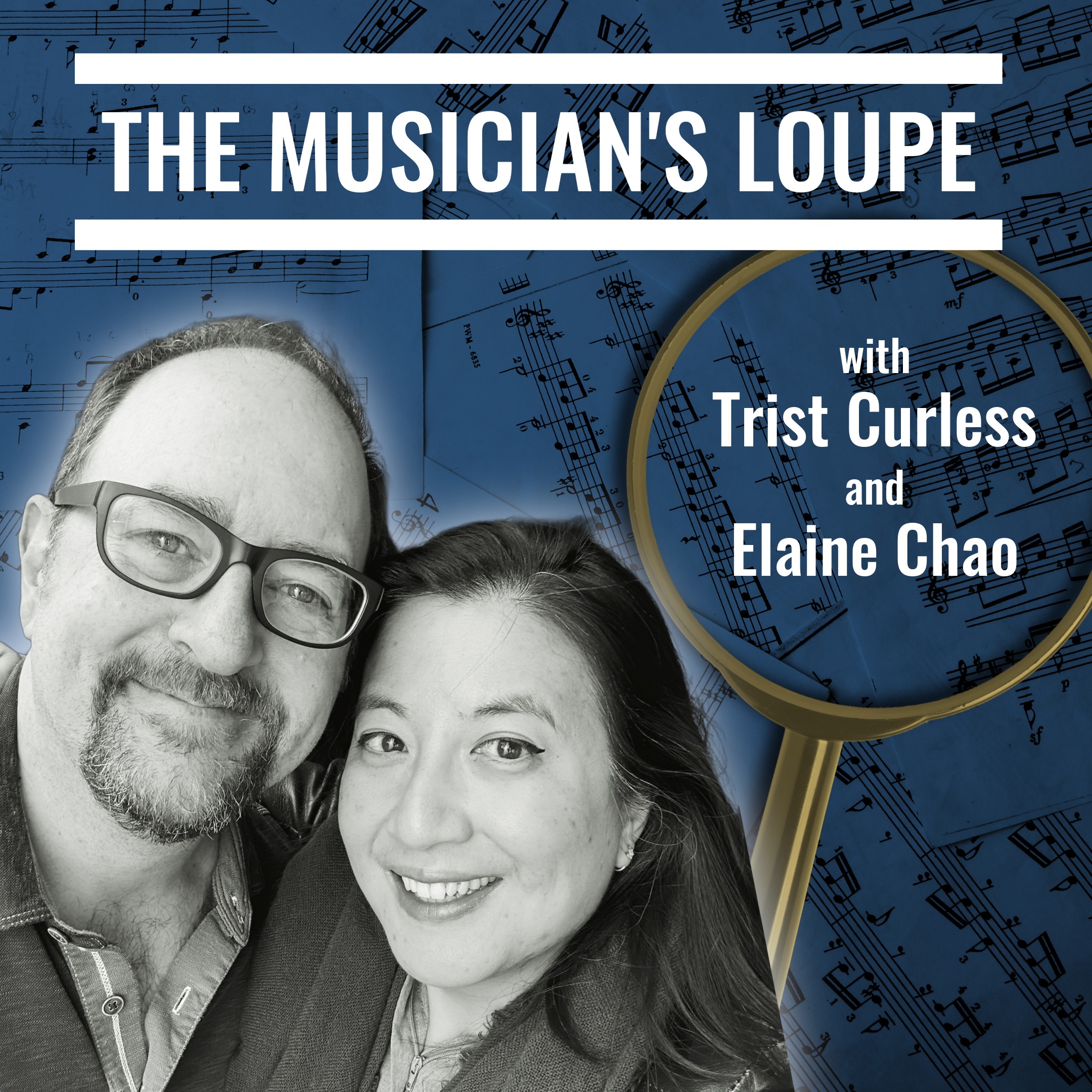
Tempo, sparseness, and a vocal-sax duet : Blue Velvet (The Branford Marsalis Quartet, featuring Kurt Elling)
This week, we dive into "Blue Velvet" by Kurt Elling and Branford Marsalis, a haunting, ethereal soundscape between voice and tenor saxophone. Trist and Elaine discuss the subtle recording effects, delicate musicianship, and the emotional transformation of this classic ballad. The conversation compares this rendition to iconic versions by Bobby Vinton and Tony Bennett, highlighting how tempo, orchestration, and vocal delivery can completely reshape a song’s meaning and mood.
In the Mailbag, we discuss the impact music can have beyond commercial success. A moving account from the Aarhus Vocal Music Festival and personal anecdotes from both Elaine and Trist underscore how even lesser-known albums and performances can inspire, comfort, and change lives.
PLUS a big announcement at the end!
Listen to the song
- YouTube - https://youtu.be/gAXW5Xq496g?is=aV82pFMhJLgNGPrW
- Spotify - https://open.spotify.com/track/4duESN1aJkwMO35NUV8VkR?si=a818b20c175b4674
- Apple Music - https://music.apple.com/us/song/blue-velvet/1102783941
- Amazon - https://music.amazon.com/albums/B01E9DSGZ4?marketplaceId=ATVPDKIKX0DER&musicTerritory=US&ref=dm_sh_FxdC1U4ljX50EWNQnU6AmJfV8&trackAsin=B01E9DSVBS
Other links
- Upward Spiral - Marsalis Music
- Blue Velvet, Bobby Vinton version
- Blue Velvet, Tony Bennett version
- Blue Velvet, Tony Bennett and k.d. lang version
- Playlist of the songs we’ve reviewed
- YouTube - https://www.youtube.com/playlist?list=PL5bn23baJ4xQ1t0TMqukELY5W95HwuMoT
- Spotify - https://open.spotify.com/playlist/7gCOF5M0zYS1fBvXgT5ccI?si=7F3yVdEDRRWa_gAArK3AYg
- Apple Music - https://music.apple.com/us/playlist/songs-reviewed-on-the-musicians-loupe/pl.u-V9D7maah06JNo
- Amazon Music - https://music.amazon.com/user-playlists/3b47be4937b7490982f4a872db32ec8dsune?ref=dm_sh_AEFZY8KhvSsz1TGoRmasg6zHZ
About us
Trist Curless is a Los Angeles-based vocalist, educator, and sound engineer. As a performer, Trist has toured worldwide as a co-founder of the pop-jazz vocal group m-pact and a 10 year member of the Grammy-award winning The Manhattan Transfer. In addition to these two vocal powerhouse groups, he’s also performed with Take 6, Bobby McFerrin, New York Voices, Vox Audio, Naturally 7, and The Swingle Singers. His latest venture, The LHR Project, is a new vocal group collective celebrating legendary jazz vocal group Lambert, Hendricks, and Ross.
As an audio engineer, Trist has toured nationally with several vocal groups and bands in a large variety of venues, working for Grammy award winners Pentatonix and Take 6, as well as prominent a cappella vocal groups Straight No Chaser, VoicePlay, and Accent.
Elaine Chao, M.Ed is a San Francisco Bay Area-based vocalist, multi-instrumentalist, vocal percussionist, and songwriter whose career spans a cappella, contemporary worship, and classical music. She has leveraged her training in classical and choral music over the course of her contemporary performance, including in orchestras for musical theatre and in sacred spaces. In addition to music, she also is a martial artist and published author. She currently leads a product management team at a major software company dedicated to creative expression. All statements in this podcast are her own and do not reflect the opinions of her employer.
Transcript
Elaine: Hey, Trist!
Speaker:Elaine: What do we have this week?
Speaker:Trist: This week, Elaine, we have what I'm positive is the slowest song
Speaker:Trist: that we've chosen for
Speaker:Elaine: Okay.
Speaker:Trist: The Musician's Loupe.
Speaker:Trist: don't even have to really think about it.
Speaker:Trist: You all will know what what I'm talking about when you hear it.
Speaker:Trist: It's a song that many of you would know.
Speaker:Trist: It's had many different versions over the years.
Speaker:Trist: The classic "Blue Velvet."
Speaker:Elaine: Hm.
Speaker:Trist: Also featured a bunch in the movie of the same name.
Speaker:Trist: Shout out David Lynch fans, of which I am one.
Speaker:Trist: But this doesn't have anything to do with that.
Speaker:Trist: This is just "Blue Velvet."
Speaker:Trist: This version is by, I think my
Speaker:Trist: favorite male vocalist, Kurt
Speaker:Trist: Elling,
Speaker:Elaine: Ooh.
Speaker:Trist: and saxophonist Branford Marsalis, and his quartet from
Speaker:Trist: an album that's really almost more like a quintet, really.
Speaker:Trist: Kurt on this album really fits into the band as a band member,
Speaker:Trist: in my opinion.
Speaker:Trist: The full album is great, but this song is.
Speaker:Trist: slower than you would imagine it being.
Speaker:Elaine: And with that introduction, Trist, can you talk a little bit
Speaker:Elaine: more about how we listen to music as a part of The
Speaker:Elaine: Musician's Loupe community?
Speaker:Trist: We here at The Musician's Loupe
Speaker:Trist: strongly encourage you to
Speaker:Trist: improve your listening
Speaker:Trist: environment.
Speaker:Trist: When you're listening to the
Speaker:Trist: songs we choose or just any
Speaker:Trist: time, anytime is a good time to
Speaker:Trist: listen better if you have a
Speaker:Trist: choice.
Speaker:Trist: If you don't just listen to it on your AirPods or on your
Speaker:Trist: computer speakers, I will always say we are glad to have you
Speaker:Trist: regardless, but just like to encourage that good listening.
Speaker:Trist: If you've got a nicer set of headphones that you probably
Speaker:Trist: spent way too much money on, grab those and listen to our
Speaker:Trist: selection with that.
Speaker:Trist: This is really well recorded one this week.
Speaker:Trist: So matter of fact, I have the vinyl, so I listened to the
Speaker:Trist: vinyl of it on my stereo this week in preparation.
Speaker:Elaine: Okay, so with that, we'll leave the links in the show notes and
Speaker:Elaine: we will be right back.
Speaker:Elaine: And we are back.
Speaker:Elaine: Okay. So first of all, I thought
Speaker:Elaine: that was a duet at first, and it
Speaker:Elaine: ended up not being a duet
Speaker:Elaine: between Kurt Elling and another
Speaker:Elaine: vocalist.
Speaker:Trist: Oh, oh, between a vocal- well, it is kind of a duet.
Speaker:Trist: And what I love about it, the
Speaker:Trist: initial thing is that the
Speaker:Trist: saxophone sounded a lot like a
Speaker:Trist: voice.
Speaker:Trist: And to me, the more you listen to it, the more I love.
Speaker:Trist: And Kurt has always had this kind of thing where it's not an
Speaker:Trist: imitation of, but it's kind of an embodiment of the breath and
Speaker:Trist: the sound of the saxophone, especially even at the end where
Speaker:Trist: he lets his voice kind of break, just like the saxophone does.
Speaker:Trist: If you don't put quite enough air into it and the sound kind
Speaker:Trist: of breaks a little bit, he has the same effect with his voice.
Speaker:Trist: I often find myself singing the little harmony part that
Speaker:Trist: Branford is playing whenever I listen to it.
Speaker:Trist: So yes, totally.
Speaker:Trist: I see exactly what you mean because I hear it the other way.
Speaker:Trist: I'm like, ooh, it sounds like two saxophones a lot of times,
Speaker:Trist: other than the saxophone doesn't do words, but if they could,
Speaker:Trist: that would be really cool.
Speaker:Elaine: I think a big part of it was
Speaker:Elaine: that the tonal quality was very
Speaker:Elaine: similar between
Speaker:Trist: Yeah.
Speaker:Elaine: his voice and the way that the sax came in.
Speaker:Elaine: I don't even think I realized it
Speaker:Elaine: was a sax for a solid, I don't
Speaker:Elaine: know, ten, fifteen seconds or
Speaker:Elaine: so?
Speaker:Trist: Mhm.
Speaker:Elaine: until they diverged and I realized that it was a woodwind.
Speaker:Elaine: It wasn't
Speaker:Trist: Mhm.
Speaker:Elaine: actually another voice.
Speaker:Trist: A good tribute to both of them for their musicianship.
Speaker:Trist: Obviously they well, I guess not
Speaker:Trist: obvious, but they did not just
Speaker:Trist: step into the recording studio
Speaker:Trist: and decide to just record a song
Speaker:Trist: together and then sound that
Speaker:Trist: amazing together.
Speaker:Trist: They've made music together.
Speaker:Trist: They're supporters and fans of each other's careers and music
Speaker:Trist: and know each other's work and then work together.
Speaker:Trist: So then after all of that, to then tackle something like this,
Speaker:Trist: which is obviously, the slowest slow dance at the prom.
Speaker:Trist: I would always speculate on that, but probably didn't talk
Speaker:Trist: about, hey, and let's really try to sound just alike.
Speaker:Trist: Like I'm sure one of them just brought it up.
Speaker:Trist: Oh, no, let's do this painfully slow haunting version of this.
Speaker:Trist: That would be cool.
Speaker:Elaine: I looked up something that I'd
Speaker:Elaine: like to share a little bit
Speaker:Elaine: later.
Speaker:Elaine: But one thing I'd really like to talk about before we move on is
Speaker:Elaine: do you think that there was
Speaker:Trist: It's like, play it as softly as
Speaker:Trist: you can without the tone
Speaker:Trist: breaking.
Speaker:Elaine: Yea
Speaker:Trist: Except for
Speaker:Elaine: yea
Speaker:Trist: with both of them.
Speaker:Elaine: yea
Speaker:Trist: They like
Speaker:Elaine: yea.
Speaker:Trist: have it breaks.
Speaker:Elaine: about the effects that were on his voice that contributed to
Speaker:Elaine: that sense of blend?
Speaker:Elaine: And the reason I ask this is
Speaker:Elaine: because I have heard some Kurt
Speaker:Elaine: Elling before.
Speaker:Elaine: I'm not super deep in his entire discography, but everything that
Speaker:Elaine: I've heard, his voice has not been incredibly treated.
Speaker:Elaine: It has
Speaker:Trist: Mhm.
Speaker:Elaine: been very much it's close to, I
Speaker:Elaine: don't want to say raw, but it's
Speaker:Elaine: as close to unfinished as you
Speaker:Elaine: normally get.
Speaker:Elaine: And he's so precise with his
Speaker:Elaine: singing, especially in some of
Speaker:Elaine: the faster pieces that he's
Speaker:Elaine: sung.
Speaker:Elaine: But in this one, I found it interesting.
Speaker:Elaine: I heard a little bit of echo or chorus on his voice, and I don't
Speaker:Elaine: know whether it contributed to the haunting or much more the
Speaker:Elaine: blend, and I was focused on the blend a little bit more.
Speaker:Trist: Yeah,
Speaker:Elaine: Any thoughts
Speaker:Trist: I'm
Speaker:Elaine: about that?
Speaker:Trist: probably both.
Speaker:Trist: That kind of thing will help,
Speaker:Trist: for sure if you're using
Speaker:Trist: whatever effects you use, like,
Speaker:Trist: a little slight delay and
Speaker:Trist: whatever reverb that you want to
Speaker:Trist: put on.
Speaker:Trist: If you put that on both of those instruments, they're already
Speaker:Trist: kind of matching.
Speaker:Trist: And then that helps them seem to match even more.
Speaker:Trist: For sure, that's a contributing factor to just how good those
Speaker:Trist: two voices sound together.
Speaker:Elaine: I also find it really
Speaker:Elaine: interesting that the range was
Speaker:Elaine: pretty similar.
Speaker:Elaine: Can you tell me a little bit more about Branford Marsalis,
Speaker:Elaine: and is he just a tenor sax player, or does he play other
Speaker:Elaine: types of saxes as well?
Speaker:Trist: Probably pretty well known as a
Speaker:Trist: soprano saxophonist, which, if I
Speaker:Trist: remember correctly, it's the
Speaker:Trist: same fingerings.
Speaker:Trist: Soprano and tenor are the same.
Speaker:Trist: This would be a great thing that someone could actually write and
Speaker:Trist: correct me on.
Speaker:Trist: But, anyway, you'll see that a lot.
Speaker:Trist: But no, I think he's in jazz
Speaker:Trist: circles known for lots of
Speaker:Trist: things, but yeah, soprano and
Speaker:Trist: tenor.
Speaker:Trist: I feel like interestingly
Speaker:Trist: enough, I feel like in his own
Speaker:Trist: works, maybe I think of him more
Speaker:Trist: as a tenor player, but I think
Speaker:Trist: the world at large probably
Speaker:Trist: knows him more for the things
Speaker:Trist: that he's done playing on The
Speaker:Trist: Tonight Show, playing with
Speaker:Trist: Sting.
Speaker:Trist: Playing in one of Sting's great bands definitely helps millions
Speaker:Trist: of people know who you are.
Speaker:Trist: And he was very frequently playing soprano saxophone when
Speaker:Trist: he would do that gig.
Speaker:Trist: But yeah, the choice there is
Speaker:Trist: obvious with it wanting to be a
Speaker:Trist: matching sound.
Speaker:Trist: I've heard Kurt talk many times
Speaker:Trist: about listening to Dexter
Speaker:Trist: Gordon, classic tenor sax
Speaker:Trist: player.
Speaker:Trist: From what listening I've done to both of them, you can definitely
Speaker:Trist: tell that is someone he's listened to a lot.
Speaker:Trist: So he's dug into the tenor players a lot.
Speaker:Trist: There's a really great big
Speaker:Trist: Coltrane solo that he does on
Speaker:Trist: some records.
Speaker:Trist: He's definitely done his
Speaker:Trist: homework and listened to those
Speaker:Trist: instruments and likely affecting
Speaker:Trist: and influencing the sounds he
Speaker:Trist: makes.
Speaker:Trist: It's something unlike I really
Speaker:Trist: experienced with most other male
Speaker:Trist: vocals.
Speaker:Elaine: I'm thinking a bit about how the voice and the sax interplays.
Speaker:Elaine: Obviously, they're often within
Speaker:Elaine: a third or a fourth of one
Speaker:Elaine: another.
Speaker:Elaine: So that's why they sound so close in terms of range.
Speaker:Elaine: One of the other things that I
Speaker:Elaine: felt was interesting was the
Speaker:Elaine: placement and the aggression, or
Speaker:Elaine: rather the lack thereof in
Speaker:Elaine: Branford's playing.
Speaker:Elaine: We've heard a lot of tenor saxophonists.
Speaker:Elaine: Some of them are a little more aggressive.
Speaker:Elaine: Some of them will play a little bit more forcefully.
Speaker:Elaine: But I think this song was played very delicately.
Speaker:Elaine: I think maybe that's what I
Speaker:Elaine: would say I heard the most of
Speaker:Elaine: from the instruments, like
Speaker:Elaine: everyone was playing very
Speaker:Elaine: delicately, including the
Speaker:Elaine: saxophone.
Speaker:Elaine: And I think we normally think of the saxophone as maybe a little
Speaker:Elaine: bit louder of an instrument, especially compared to a voice.
Speaker:Elaine: But in this it was balanced very well with the vocal and really
Speaker:Elaine: serving in a similar kind of tenderness and similar to Kurt's
Speaker:Elaine: voice in that I felt like he wasn't pushing it.
Speaker:Elaine: It was very much a thoughtful placement in his voice, a very
Speaker:Elaine: thoughtful and yet pure version of his voice.
Speaker:Elaine: I feel like everyone was pulling back a bit to give it that more
Speaker:Elaine: ethereal feel that you were talking about before.
Speaker:Trist: All the musicians and all of their lifetime of experience of
Speaker:Trist: musicianship lead them to equally contribute to and not
Speaker:Trist: mess up basically the vibe and the scene and the environment
Speaker:Trist: that is set up at the start.
Speaker:Trist: Like, oh, I don't want to be the one that messes this up.
Speaker:Trist: Like the vibe that's set, even just by the sound of the two of
Speaker:Trist: them right at the beginning.
Speaker:Trist: There's no intro.
Speaker:Trist: Just the two of them start.
Speaker:Trist: The piano doesn't even come in until the bridge.
Speaker:Trist: It's almost apologetic.
Speaker:Trist: Like, are you sure you want piano here?
Speaker:Trist: When it comes in, it's like a ding ding, just like, ah, like
Speaker:Trist: almost apologizing for existing.
Speaker:Trist: We want to contribute to the vibe, not take away from it.
Speaker:Trist: So I love that about the way the
Speaker:Trist: drums and bass and everyone just
Speaker:Trist: follows.
Speaker:Trist: Honestly, I almost forgot there was even piano on the track
Speaker:Trist: until it came in, in the bridge.
Speaker:Trist: I was like, oh, right, there's piano.
Speaker:Trist: So even though the drums and bass are playing the whole time,
Speaker:Trist: they're so out of the way.
Speaker:Trist: They're just there because they were told to be, it's like, so
Speaker:Trist: not about them.
Speaker:Trist: They're just holding on.
Speaker:Trist: and I love the thought that that
Speaker:Trist: slow, I didn't really time it
Speaker:Trist: out, but there's no click in the
Speaker:Trist: ear.
Speaker:Trist: They're literally just free time.
Speaker:Trist: Just letting the vibe happen the way it is.
Speaker:Trist: And I think it's magical.
Speaker:Elaine: I think that we heard something very similar in the Lorez
Speaker:Elaine: Alexandria song that we reviewed a couple months back or so in
Speaker:Trist: Mhm.
Speaker:Elaine: that it was very delicate, very
Speaker:Elaine: out of time, very much so that
Speaker:Elaine: the words were driving the feel
Speaker:Elaine: as opposed to any particular
Speaker:Elaine: time.
Speaker:Elaine: That being said, there was time.
Speaker:Elaine: Like I felt like, yep, it was time.
Speaker:Elaine: It was different, but
Speaker:Trist: Right?
Speaker:Elaine: there was time.
Speaker:Elaine: And to follow up with what you were just saying, the piano
Speaker:Elaine: doesn't come in until a minute and a half into this three and a
Speaker:Elaine: half minute song.
Speaker:Elaine: And to your point, it was very much treble.
Speaker:Elaine: And it was just this little counter piece.
Speaker:Elaine: I also think that the sax, for
Speaker:Elaine: that matter, was very much
Speaker:Elaine: either in synchrony or just a
Speaker:Elaine: very light counterpoint to what
Speaker:Elaine: was
Speaker:Trist: Mhm.
Speaker:Elaine: happening in the voice.
Speaker:Elaine: And I thought that was gorgeous.
Speaker:Trist: It really strikes you
Speaker:Trist: especially, within the whole
Speaker:Trist: record, I highly recommend
Speaker:Trist: listening to the whole project
Speaker:Trist: there.
Speaker:Trist: It's a really excellent release.
Speaker:Trist: And quite different from everything else, which is, you
Speaker:Trist: love that variety on the album.
Speaker:Trist: There's nothing else like that on the album that I can recall.
Speaker:Trist: I know that they do an actual duet, just the two of them on
Speaker:Trist: that album as well.
Speaker:Trist: so some of that vibe and some of that musicality between the two
Speaker:Trist: of them is there.
Speaker:Trist: but yeah, just the variety on the whole record is great.
Speaker:Trist: And this one is definitely a departure.
Speaker:Trist: It would be amazing to hear live.
Speaker:Trist: I don't know if they ever did
Speaker:Trist: that one really live that way,
Speaker:Trist: but that would be amazing to
Speaker:Trist: see.
Speaker:Elaine: So I did a little bit of Google searching and found the website
Speaker:Elaine: of Marsalis Music, which is Branford Marsalis record label.
Speaker:Elaine: And there's a little bit of an essay about Upward Spiral, which
Speaker:Elaine: is the album that this is on.
Speaker:Elaine: And
Speaker:Trist: MM.
Speaker:Elaine: I'm just
Speaker:Trist: Cool.
Speaker:Elaine: going to read a little snippet from it.
Speaker:Trist: Sweet.
Speaker:Elaine: "Two classic ballad performances complete the collection.
Speaker:Elaine: Open quote.
Speaker:Elaine: Kurt had wanted to do Blue
Speaker:Elaine: Velvet using Bobby Vinton's hit
Speaker:Elaine: version as a starting point,
Speaker:Elaine: Marsalis recalls.
Speaker:Elaine: I said that I'd write it out,
Speaker:Elaine: but Kurt said, no, I want us to
Speaker:Elaine: sound like ghosts with just
Speaker:Elaine: enough technique to get the
Speaker:Elaine: message across.
Speaker:Elaine: He also wanted to do a voice
Speaker:Elaine: tenor duet, which I was
Speaker:Elaine: originally against, but we tried
Speaker:Elaine: "I'm a Fool to Want You," and he
Speaker:Elaine: was right.
Speaker:Trist: Mm.
Speaker:Elaine: When you have a singer who can
Speaker:Elaine: inhabit the emotional space, it
Speaker:Elaine: works."
Speaker:Trist: I always like that.
Speaker:Trist: "I didn't want to do this at first, and then it was awesome."
Speaker:Trist: I like that, when experts can do that.
Speaker:Elaine: I think that statement, "I want us to sound like ghosts" really
Speaker:Elaine: is manifested in the
Speaker:Trist: Yeah.
Speaker:Elaine: way that it comes out.
Speaker:Elaine: Right?
Speaker:Elaine: We were talking about it being
Speaker:Elaine: haunting or being pulled back or
Speaker:Elaine: pared back, and there really is
Speaker:Elaine: a sense of sprinkling, like
Speaker:Elaine: everything sprinkled on a little
Speaker:Elaine: bit of bass, a little bit of
Speaker:Elaine: drums, it was just hi hats for
Speaker:Elaine: most of it and a little bit of
Speaker:Elaine: this treble part of the piano as
Speaker:Elaine: well.
Speaker:Trist: Yep.
Speaker:Elaine: I'm getting the willies thinking
Speaker:Elaine: about it, I was like, oh, maybe
Speaker:Elaine: that's the haunting that we were
Speaker:Elaine: talking about.
Speaker:Trist: I'm just such a big fan of Kurt's.
Speaker:Trist: And frankly, I'm usually going
Speaker:Trist: to him for the improvising and
Speaker:Trist: the vocalese and the medium
Speaker:Trist: groove or up stuff and just
Speaker:Trist: energetic things.
Speaker:Trist: But man, there's a little period there when the whole world was
Speaker:Trist: celebrating the Sinatra one hundredth birthday, and I caught
Speaker:Trist: a set during that year, and he was mostly just crooning tunes
Speaker:Trist: like that, not really improvising much, just singing
Speaker:Trist: the songs really well.
Speaker:Trist: And it's like, oh, right, I enjoy these things that he does,
Speaker:Trist: but wow, what a great song stylist and innovator.
Speaker:Trist: And so I was just knocked out the first time I heard this.
Speaker:Trist: In a way, it makes perfect sense that I would not expect it.
Speaker:Trist: That's what I expect now from him is the unexpected.
Speaker:Trist: He likes to mix it up.
Speaker:Elaine: One of the things that I noticed as I was listening to this was
Speaker:Elaine: that it sounded very new to me.
Speaker:Elaine: And I was like, do I know this song?
Speaker:Elaine: Like, I don't know.
Speaker:Elaine: And so as I was preparing for
Speaker:Elaine: this episode, I decided to go
Speaker:Elaine: and listen to the Bobby Vinton
Speaker:Elaine: version.
Speaker:Elaine: And I also decided to listen to the original Tony Bennett
Speaker:Elaine: version, although what I ended up finding was one of the duets
Speaker:Elaine: that he had done with k.d. lang.
Speaker:Trist: Mhm.
Speaker:Elaine: And as soon as I heard the Bobby Vinton version, I was like, "Oh!
Speaker:Elaine: Oh yeah, I know this song."
Speaker:Elaine: But the fact that my brain hadn't made the connection
Speaker:Elaine: between the two songs, it speaks
Speaker:Trist: Mhm.
Speaker:Elaine: about how much a) orchestration, but also b)
Speaker:Trist: Yeah.
Speaker:Elaine: the out of time-ness of it really does change your
Speaker:Elaine: perception of the song itself.
Speaker:Trist: The way they set a completely different mood and environment.
Speaker:Trist: You paint different pictures
Speaker:Trist: with your brain, hearing this
Speaker:Trist: one.
Speaker:Elaine: I also think that the Tony
Speaker:Elaine: Bennett and k.d. lang version
Speaker:Elaine: was significantly different than
Speaker:Elaine: the Bobby Vinton version as
Speaker:Elaine: well.
Speaker:Elaine: And so that was an interesting juxtaposition between the three
Speaker:Elaine: different versions of this song.
Speaker:Trist: Absolutely.
Speaker:Trist: That's the key to a good song.
Speaker:Trist: It still delivers and hangs in there regardless of who's doing
Speaker:Trist: it or what the style is.
Speaker:Trist: That's great.
Speaker:Elaine: Now, one thing that I thought was really interesting with the
Speaker:Elaine: orchestration of this one, just looking at the lyrics, because
Speaker:Elaine: we haven't talked about the lyrics, they're pretty short, I
Speaker:Elaine: think, just in general.
Speaker:Elaine: It's also somewhat hard to track
Speaker:Elaine: that amongst all of the musical
Speaker:Elaine: stuff that
Speaker:Trist: Mhm.
Speaker:Elaine: we've been talking about.
Speaker:Elaine: Like, what is this talking about?
Speaker:Elaine: It's blue velvet and lots of blue.
Speaker:Trist: Mhm.
Speaker:Elaine: And a big part of that is that this is a song about memory.
Speaker:Elaine: And
Speaker:Trist: Mhm.
Speaker:Elaine: if we take a look at the bridge, it talks about, "Oh, the love we
Speaker:Elaine: held so tightly," it goes on for a little bit longer.
Speaker:Elaine: "But when she'd gone / Gone was a glow of blue velvet / But in
Speaker:Elaine: my heart there will always be / Precious and warm a memory /
Speaker:Elaine: Through the years / And I'm still fancying blue velvet /
Speaker:Elaine: Through my tears."
Speaker:Trist: MM.
Speaker:Elaine: And I don't think that I
Speaker:Elaine: necessarily got the sadness of
Speaker:Elaine: this song in the Bobby Vinton
Speaker:Elaine: version, or in the Tony Bennett
Speaker:Elaine: version, but
Speaker:Trist: Right.
Speaker:Elaine: I think I'm seeing where Kurt
Speaker:Elaine: Elling was going with this
Speaker:Elaine: because it is a song about
Speaker:Elaine: grief.
Speaker:Elaine: It is a song about memory.
Speaker:Elaine: And having it in this more dirge
Speaker:Elaine: like tone really does put a
Speaker:Elaine: little twist on it that I don't
Speaker:Elaine: think I really expected out of
Speaker:Elaine: it.
Speaker:Trist: I think of those three versions that you've mentioned, they're
Speaker:Trist: always a memory.
Speaker:Trist: But each one of them, the narrator, the person who's
Speaker:Trist: having the memory is at a different place in their life.
Speaker:Trist: Like Bobby Vinton is not in his older years.
Speaker:Trist: that's not an eighty year old
Speaker:Trist: reminiscing about a time that he
Speaker:Trist: had.
Speaker:Trist: It's a totally different vibe, a different energy.
Speaker:Trist: It wasn't very long ago, the
Speaker:Trist: person that Bobby Vinton is
Speaker:Trist: playing.
Speaker:Trist: However, the person that Kurt is playing, man, that's sitting on
Speaker:Trist: a front porch telling a story that you've told a thousand
Speaker:Trist: times and you're now in your 80s or 90s and you're remembering
Speaker:Trist: this magnificent time you had and how lovely this woman was.
Speaker:Trist: That's what I think of as I see the lyrics.
Speaker:Trist: To me, it feels like it matches perfectly with the vibe that
Speaker:Trist: they've set up.
Speaker:Elaine: I'm kind of curious then about what the original Tony Bennett
Speaker:Elaine: version was like then, because I only listened to the version
Speaker:Elaine: with k.d. lang in it, which is near the end of his life.
Speaker:Elaine: And knowing that their original that he actually made popular in
Speaker:Elaine: 1951, was a good forty, fifty years before when he was young,
Speaker:Elaine: like Bobby Vinton.
Speaker:Elaine: I'm very interested in hearing then whether it had that kind of
Speaker:Elaine: nearness and that youth to it, the same that you were talking
Speaker:Elaine: about the Bobby Vinton version.
Speaker:Elaine: So maybe we leave this as an
Speaker:Elaine: exercise for our listeners, and
Speaker:Elaine: we'll leave a couple of
Speaker:Elaine: different links of different
Speaker:Elaine: versions of this in the show
Speaker:Elaine: notes for you to evaluate on
Speaker:Elaine: your own.
Speaker:Trist: Absolutely.
Speaker:Trist: You can, let us know what you think.
Speaker:Trist: how does the reading of the song, no matter the person's
Speaker:Trist: age, how does the tempo and the vibe and the delivery of the
Speaker:Trist: song give you a mental image of who the person is talking about
Speaker:Trist: it and how old they are and how long ago this event occurred.
Speaker:Elaine: Yeah, that's an interesting thing to think about.
Speaker:Elaine: Well, any last thoughts on this before we move on?
Speaker:Trist: Not that I can think of.
Speaker:Trist: it's fantastic and just really encourage you to listen to the
Speaker:Trist: whole album if you can.
Speaker:Elaine: All right.
Speaker:Elaine: And so with that we're going to
Speaker:Elaine: move on to our next segment,
Speaker:Elaine: which is.
Speaker:Elaine: That's right.
Speaker:Elaine: The mailbag.
Speaker:Elaine: And you can get a hold of us via
Speaker:Elaine: email at
Speaker:Elaine: themusiciansloupe@gmail.com, or
Speaker:Elaine: via Instagram or Threads
Speaker:Elaine: @themusiciansloupe.
Speaker:Trist: Yes. That is where you can let us know about the different
Speaker:Trist: versions of these songs.
Speaker:Trist: Or if I totally misunderstood how the fingerings of the
Speaker:Trist: saxophone work, you can please let us know there.
Speaker:Elaine: Okay. And this week's mailbag is
Speaker:Elaine: from Finch Bergling from May of
Speaker:Elaine: 2026.
Speaker:Elaine: So, Finch writes, "Your music
Speaker:Elaine: doesn't need millions of
Speaker:Elaine: listeners to change someone's
Speaker:Elaine: life."
Speaker:Trist: Wow. Okay, this is timely.
Speaker:Trist: So this last week – I try not to do timely things because some
Speaker:Trist: people may hear this podcast in like fifty years or whatever,
Speaker:Trist: but I just had that experience.
Speaker:Trist: My trip that I took to Denmark
Speaker:Trist: for the Aarhus Vocal Music
Speaker:Trist: Festival was an amazing, amazing
Speaker:Trist: time.
Speaker:Trist: So we get to the end of these three or four days of all these
Speaker:Trist: friends, all this amazing music.
Speaker:Trist: I'm overwhelmed emotionally by just seeing these people.
Speaker:Trist: I've traveled all this way just
Speaker:Trist: to learn and go to these
Speaker:Trist: workshops and hear this great
Speaker:Trist: music.
Speaker:Trist: And the very last concert, of course, is really touching and
Speaker:Trist: all the people have kind of gathered together because it's
Speaker:Trist: the last little bit, there's a local group that's singing and
Speaker:Trist: of course they make their last song this poignant, emotional
Speaker:Trist: kind of thing.
Speaker:Trist: So I'm already right there just kind of brimming and it's the
Speaker:Trist: time you're about to hug and say bye to everybody and hope that
Speaker:Trist: you see them the next time.
Speaker:Trist: so I'm in that state.
Speaker:Trist: And it's just after that where a
Speaker:Trist: gentleman walked up to me, he
Speaker:Trist: looked like he was, I don't
Speaker:Trist: know, in his late 20s, early 30s
Speaker:Trist: maybe.
Speaker:Trist: And he says to me, "Oh, are you Trist from the original m-pact?"
Speaker:Trist: m-pact is the a cappella group that I was in long ago.
Speaker:Trist: I started it in 1995.
Speaker:Trist: I'm one of the co-founders.
Speaker:Trist: anyway, I said, well, yes, I am.
Speaker:Trist: Oh man.
Speaker:Trist: Wow.
Speaker:Trist: It's so cool to meet you.
Speaker:Trist: I'm in the UK, I had a music
Speaker:Trist: professor in the UK and right
Speaker:Trist: when my voice changed, my
Speaker:Trist: professor played me your first
Speaker:Trist: two albums.
Speaker:Trist: And when your voice changes and all of a sudden I have this low
Speaker:Trist: bass voice and just guys singing isn't something that I was
Speaker:Trist: listening to a lot because I had this high voice – but then my
Speaker:Trist: voice changed and I didn't think singing was for me anymore.
Speaker:Trist: And then hearing those albums
Speaker:Trist: really changed everything for
Speaker:Trist: me.
Speaker:Trist: And now I run this choir and
Speaker:Trist: he's just going on and on about
Speaker:Trist: it.
Speaker:Trist: Again, had he told me that the day before, I would have still
Speaker:Trist: been very appreciative and I would have been very moved by
Speaker:Trist: the fact that this thing that we created helped him out.
Speaker:Trist: But then he hit me just moments
Speaker:Trist: after the last song of the last
Speaker:Trist: concert of this three days of
Speaker:Trist: thing.
Speaker:Trist: So as he's telling me, my eyes are tearing up as I'm saying,
Speaker:Trist: "Oh, thank you.
Speaker:Trist: You know, I really appreciate it.
Speaker:Trist: You never know when someone's going to remember that stuff you
Speaker:Trist: did so long ago."
Speaker:Trist: I can barely get it out because I'm like crying and I'm laughing
Speaker:Trist: about it at the same time because I'm realizing exactly
Speaker:Trist: what had happened.
Speaker:Trist: And then he notices it and he's kind of laughing.
Speaker:Trist: He's like, "Oh, man, I'm the worst.
Speaker:Trist: I kind of sabotaged you, didn't I?" He realized it too.
Speaker:Trist: He's like, "Oh yeah, we're right
Speaker:Trist: at the moment of the festival,
Speaker:Trist: we're all saying goodbye to
Speaker:Trist: everyone.
Speaker:Trist: And then I hit you with that.
Speaker:Trist: Aw, I'm sorry."
Speaker:Trist: I'm like kind of still crying.
Speaker:Trist: I was like, "No, I'm really, really moved by that.
Speaker:Trist: Thank you for sharing that with me."
Speaker:Trist: All that to say that that nails it.
Speaker:Trist: I don't need millions of
Speaker:Trist: listeners to have heard those
Speaker:Trist: albums, but this kid, at the
Speaker:Trist: right time, heard us do our
Speaker:Trist: thing and was inspired to like,
Speaker:Trist: okay, my voice does fit
Speaker:Trist: somewhere.
Speaker:Trist: And just that your music, even if it wasn't about the songs or
Speaker:Trist: our performances or anything.
Speaker:Trist: Just its existence helped this
Speaker:Trist: person keep doing, and they're
Speaker:Trist: obviously there at that thing
Speaker:Trist: now at this age, and they're
Speaker:Trist: singing or slash directing
Speaker:Trist: groups, and this is part of his
Speaker:Trist: life.
Speaker:Trist: Oh, it was overwhelming.
Speaker:Trist: Again, I would have been
Speaker:Trist: overwhelmed at any time, but it
Speaker:Trist: was funny that he just hit me
Speaker:Trist: right at the peak moment that I
Speaker:Trist: would have cried at just about
Speaker:Trist: anything.
Speaker:Trist: Touching commercial probably
Speaker:Trist: would have gotten me at that
Speaker:Trist: moment.
Speaker:Trist: But anyway, that's an example.
Speaker:Trist: I didn't know that was the entry for this week, but that's true,
Speaker:Trist: real, spontaneous reaction.
Speaker:Trist: And that was a super great display of this sentiment that
Speaker:Trist: we're talking about this week.
Speaker:Elaine: What a really special story.
Speaker:Elaine: The way that you were sharing
Speaker:Elaine: things also brought to mind some
Speaker:Elaine: of maybe the more obscure albums
Speaker:Elaine: that I've listened to that have
Speaker:Elaine: really made an impact on my
Speaker:Elaine: life, whether it was because the
Speaker:Elaine: lyrics really triggered
Speaker:Elaine: something inside of me, or there
Speaker:Elaine: was something about the music
Speaker:Elaine: itself.
Speaker:Elaine: Certainly lyrics, as those of
Speaker:Elaine: you who've been listening know,
Speaker:Elaine: will impact me very deeply
Speaker:Elaine: sometimes.
Speaker:Elaine: And I felt that with this album that I picked up in a record
Speaker:Elaine: store near my university when I was just looking at exploring
Speaker:Elaine: new music, and I just chose something in the A's.
Speaker:Elaine: And it was a promo copy of something that probably
Speaker:Elaine: shouldn't have been sold.
Speaker:Elaine: I bought it second hand because I didn't have the funds to be
Speaker:Elaine: able to buy a full album.
Speaker:Elaine: And it was of a band that never really launched.
Speaker:Elaine: And I ended up listening to that album so many times.
Speaker:Elaine: I did buy it because of the album cover and just because I
Speaker:Elaine: was like, I don't know what I'm getting into, but hey, the risk
Speaker:Elaine: is pretty low for me to spend just a couple of bucks on this.
Speaker:Elaine: And I don't know how long it's been since I bought that album.
Speaker:Elaine: It definitely got me through some harder times.
Speaker:Elaine: I think that it impacted me in a
Speaker:Elaine: way that a lot of other music
Speaker:Elaine: hasn't.
Speaker:Elaine: And so I think about the fact
Speaker:Elaine: that this band never really made
Speaker:Elaine: it big.
Speaker:Elaine: They never really got millions of listeners.
Speaker:Elaine: And yet it impacted me pretty deeply.
Speaker:Elaine: So and I know that both of us probably have stories like that.
Speaker:Trist: In both, the groups that I've been in, in m-pact and in the
Speaker:Trist: Manhattan Transfer, periodically you'll get that letter from a
Speaker:Trist: fan, someone who was touched, moved, or on behalf of a friend
Speaker:Trist: or family member whose life was changed or moved by a song, a
Speaker:Trist: particular performance, your mere existence as a group.
Speaker:Trist: Sometimes your manager just
Speaker:Trist: passes it along because it gets
Speaker:Trist: sent to an email that none of
Speaker:Trist: you look at or somebody who
Speaker:Trist: helps you out just said, oh, by
Speaker:Trist: the way, last week we got this
Speaker:Trist: note.
Speaker:Trist: I thought you should read it.
Speaker:Trist: It was really touching and sends
Speaker:Trist: it off to you and you're all
Speaker:Trist: just like, ah, you're
Speaker:Trist: overwhelmed.
Speaker:Trist: When you're out on tour, that's
Speaker:Trist: the best time to get them
Speaker:Trist: because it helps you remember
Speaker:Trist: why you're traveling all those
Speaker:Trist: miles and dealing with all the
Speaker:Trist: things you have to deal with, of
Speaker:Trist: the negatives of the traveling,
Speaker:Trist: and getting those things are
Speaker:Trist: like why you do it and why you
Speaker:Trist: keep going.
Speaker:Trist: I think a similar vibe when, at some point m-pact, we had our
Speaker:Trist: van and our trailer with all of our sound equipment and a bunch
Speaker:Trist: of our albums and all those things all got stolen while we
Speaker:Trist: were out on a tour.
Speaker:Trist: Within a short time we were getting letters from people,
Speaker:Trist: about that happening and wanting to help support, and we'd get
Speaker:Trist: the worst slash best was like, you get the card from the sixth
Speaker:Trist: grader that you visited their school a year ago, sending you
Speaker:Trist: like a five dollar bill and a handwritten note, like I heard
Speaker:Trist: about your stuff got stolen.
Speaker:Trist: I don't have a lot.
Speaker:Trist: I hope I can help you out because you guys are really
Speaker:Trist: great and coming to our school.
Speaker:Trist: Those kinds of things were just
Speaker:Trist: like, "Oh man, well, we can't
Speaker:Trist: quit now.
Speaker:Trist: Darn it.
Speaker:Trist: We were totally gonna quit.
Speaker:Trist: But now, this sixth grader."
Speaker:Trist: No. Just kidding.
Speaker:Trist: It was a really tough time.
Speaker:Trist: and frankly, I joke, but, could have been the end of us.
Speaker:Trist: It was a tumultuous time anyway, it's already just post 9/11 and
Speaker:Trist: the gigs are going away and it's hard to figure out what we're
Speaker:Trist: going to do.
Speaker:Trist: Just before we decided to move to Los Angeles.
Speaker:Trist: All these things happening at
Speaker:Trist: the same time and all that stuff
Speaker:Trist: got stolen.
Speaker:Trist: You could have easily been like, oh, this is a sign.
Speaker:Trist: We should just pack it in.
Speaker:Trist: And it was those letters and
Speaker:Trist: "Oh, you've meant so much to my
Speaker:Trist: kids that we were at their high
Speaker:Trist: school and now the kid decided
Speaker:Trist: to not do what they were doing
Speaker:Trist: and hang out with those other
Speaker:Trist: friends.
Speaker:Trist: And now they want to do music
Speaker:Trist: and they've just graduated
Speaker:Trist: college because we helped
Speaker:Trist: motivate them when they were in
Speaker:Trist: high school."
Speaker:Trist: those parents sending letters, So anyway, rambling about that,
Speaker:Trist: but those kinds of things are real and It's incredible.
Speaker:Trist: And like the post says it didn't
Speaker:Trist: need millions of listeners for
Speaker:Trist: us to know the effect that we
Speaker:Trist: had.
Speaker:Elaine: I think broadening it out a little bit more.
Speaker:Elaine: You don't have to impact millions of people to really
Speaker:Elaine: make a difference in the world.
Speaker:Trist: Yeah.
Speaker:Elaine: And I
Speaker:Trist: True.
Speaker:Elaine: think that that's something that we can also take with us as
Speaker:Elaine: humans, not just musicians.
Speaker:Trist: Indeed.
Speaker:Elaine: All right.
Speaker:Elaine: Well, with that, we're going to wrap up this episode.
Speaker:Elaine: But before we do, we have a very
Speaker:Elaine: special announcement to make,
Speaker:Elaine: which is we are going to be
Speaker:Elaine: closing out season one of The
Speaker:Elaine: Musician's Loupe!
Speaker:Elaine: We are incredibly excited.
Speaker:Elaine: We're going to take the summer off and come back again.
Speaker:Elaine: But we have one more episode before we finish.
Speaker:Trist: That's the answer to the question I keep getting.
Speaker:Trist: How many seasons are you gonna do?
Speaker:Trist: And I was like, seasons?
Speaker:Trist: Oh, right.
Speaker:Trist: People do seasons!
Speaker:Trist: So that's what we're gonna roll with.
Speaker:Trist: Kind of more like a traditional school year.
Speaker:Trist: Take a little break, but also
Speaker:Trist: maybe shine this thing up a
Speaker:Trist: little bit.
Speaker:Trist: We'd love to hear from you.
Speaker:Trist: This is a great place to use all
Speaker:Trist: of those links and all the
Speaker:Trist: information that we've asked
Speaker:Trist: about.
Speaker:Trist: And as you send out to your friends.
Speaker:Trist: Send an episode, send this episode, or just send the link
Speaker:Trist: to the list of songs.
Speaker:Trist: The playlists are out there on
Speaker:Trist: all the platforms where we
Speaker:Trist: exist.
Speaker:Trist: Maybe listen through the playlist through the summer.
Speaker:Trist: And if you're inspired and think maybe we're missing the boat by
Speaker:Trist: not including even certain types of artists, even if it's not a
Speaker:Trist: particular song that you think we should talk about, even if
Speaker:Trist: it's a direction that you would love us to go or anything about
Speaker:Trist: the way we put it together.
Speaker:Trist: It's all for you, the listener.
Speaker:Trist: So any ideas?
Speaker:Trist: Please, please, please send them our way.
Speaker:Elaine: Awesome. We're excited.
Speaker:Elaine: And so with that, we will see you next week for our last
Speaker:Elaine: episode of the season.
Speaker:Trist: All right.
Speaker:Trist: See you then.
Speaker:Trist: This is where I say the thing.
Speaker:Elaine: Have you seen Finding Nemo?
Speaker:Trist: old person brain.
Speaker:Elaine: Maybe you say that word declaratively.
Speaker:Trist: Would I be a jerk if I said one of them had k.d. lang on it?
Speaker:Elaine: Maybe we'll leave that one out.
Speaker:Trist: that's a good outtake.
Speaker:Elaine: I'm not gonna say this, but I
Speaker:Elaine: bought it because they were
Speaker:Elaine: cute.
Speaker:Trist: For some reason, my brain can't put all those words together in
Speaker:Trist: the right order.